
Is Aesthetic Dentistry Right for You? Benefits and Treatment Options
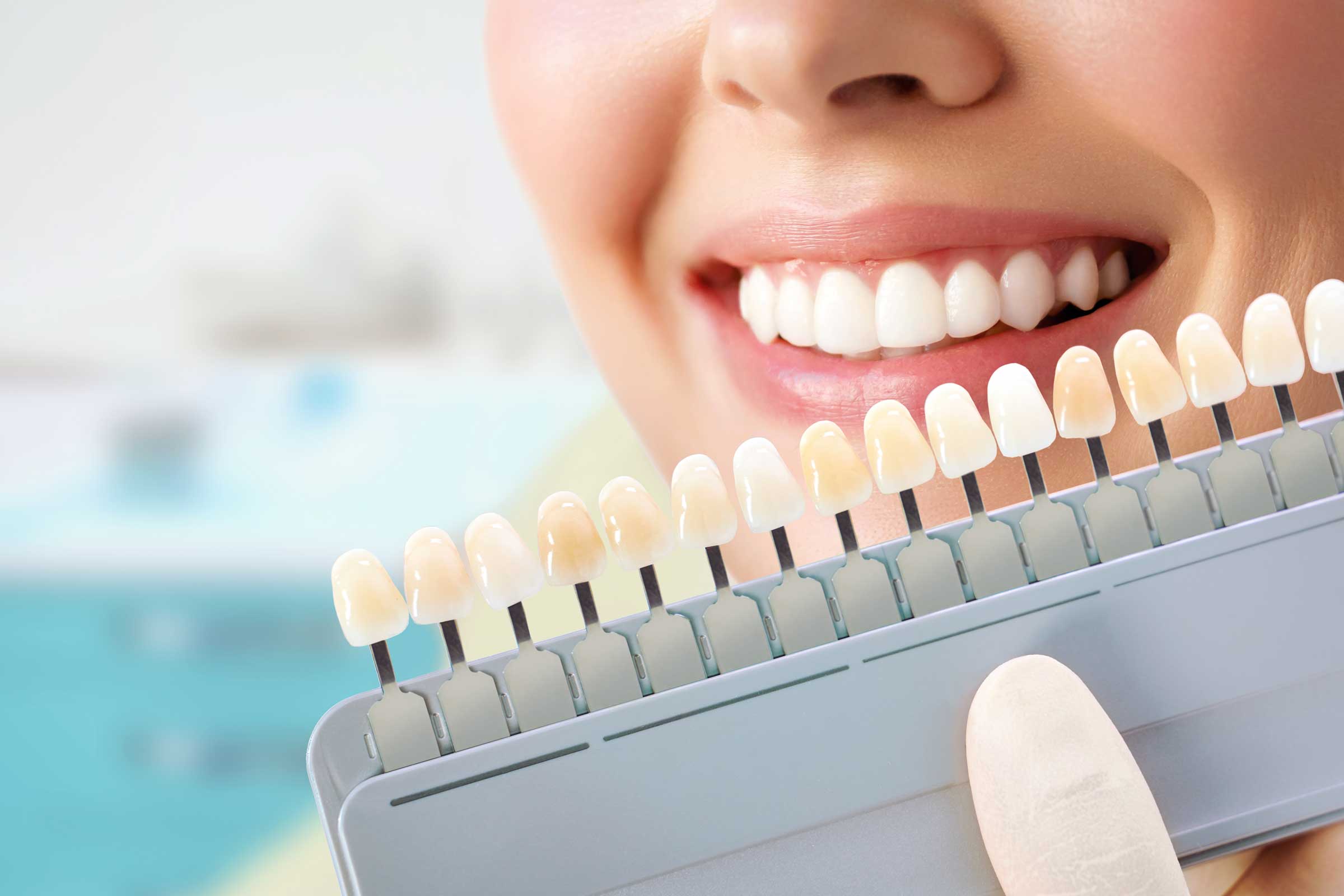
A confident smile can make a difference in how you feel about yourself and how you interact with others. But some people may not feel that comfortable with their smile if they experience stained teeth, broken edges, gaps or uneven tooth shape. In this instance, aesthetic dentistry in Alwarpet can help. It addresses enhancements to the appearance of teeth and smiles while also taking care of oral health and appropriate dental function. There are various dental procedures out there these days, all of which address various cosmetic issues.
Some include easy processes, for example, expert teeth whitening, and some may involve the utilisation of dental veneers, crowns, and orthodontics. The best one for you will depend on your dental health, tastes and treatment objectives. But how do you know whether aesthetic dentistry is right for you? If you know what it’s all about, how it works and if it’s appropriate, you may be able to make a decision before you schedule a consultation appointment with a dentist.
“A beautiful smile begins with healthy teeth and the confidence to show them.”
What Is Aesthetic Dentistry?
The term ‘aesthetic dental care’ entails dental treatment which is intended to enhance the look of the teeth, gums and smiles. Treatment could involve a change to the colour of the teeth, shape or size of teeth, type of alignment, gap between the teeth, or general smile balance depending on the procedure. Doctors should be expected to be more conscious than with routine maintenance of their beauty treatment design when it comes to appearance, as opposed to routine dentistry, which emphasises prevention and treatment for oral health. But enough about that to achieve success, healthy teeth and gums are always necessary.
Some frequent conditions that can be dealt with by aesthetic dentistry are the following:
Stained or discoloured teeth: Teeth that appear yellow or have visible stains.
Chipped or cracked teeth: Minor damage that affects the appearance of a tooth.
Gaps between teeth: Spaces that make the smile look uneven.
Uneven tooth shapes: Teeth that differ noticeably in length, shape, or size.
Misaligned teeth: Teeth that appear crowded, crooked, or poorly positioned.
Gumlines: Gum lines that disrupt the harmony of the smile.
What Are the Benefits of Aesthetic Dentistry?
With aesthetic dentistry, the changes are not only in the colour and shape of the tooth but so much more. When the treatment is appropriate for your needs, it can improve your smile’s appearance and help you feel more comfortable in social and professional situations.
Here are some of them valuable to take into account.
Better-looking smile: These therapies can make stained, chipped, uneven and widely spaced teeth even more appealing. The goal is to achieve a smile that is appealing and fits your face.
Better self-confidence: If your first concern is to cover your mouth with your hand during a conversation, talking with confidence will help you feel more confident in your everyday-life conversations.
Customised treatment options: Dental treatments may be determined based on your oral health and the services you can afford based on your concerns. Treatment may be a single treatment, or multiple treatment procedures may be required to achieve the desired effect.
Focus on improving oral health: Aesthetic consultations for treatment can be useful to uncover existing oral health issues that should be addressed. While cosmetics do not supplant the care to be provided through preventative measures, they may be included in an overall dental care plan.
Smile improvement long term: With good care, some treatments, such as veneers and crowns, can provide results over many years. They may last for a long time depending on the type of material they are made from, their oral hygiene, their biting habits and regular trips to the dentist.
Also Read This: Why a Natural-Looking Smile Starts With the Right Dental Plan
Popular Aesthetic Dentistry Treatment Options
Different procedures address different dental concerns. Knowing what each treatment involves can help you discuss your options with a dentist.
- Professional Teeth Whitening
Teeth whitening is a popular teeth-whitening method available for those wishing to improve the brightness of their smiles and diminish any dark or stained areas. Professional whitening treatments involve working with a dental bleaching agent that will remove the natural colour of the teeth. They could aid in the loss of colour that happens because of some foods and drinks, cigarettes, and ageing. But whitening will not lighten the colour of crowns, veneers and fillings. Following treatment, some people may have temporary tooth sensitivity and gum irritation. If you have any cavities, gum disease, or a great deal of tooth discolouration, a dental assessment will enable you to make the decision if it’s appropriate for whitening.
- Dental Veneers
A thin application of material over the front surfaces of teeth to enhance their appearance is called dental veneers. Typically, they are manufactured using porcelain or composite resin.
Veneers may be considered for:
- Teeth with persistent discolouration.
- Small cracks or rough edges.
- Small spaces between the teeth.
- Asymmetrical shapes and sizes of teeth.
Porcelain veneers can offer a natural-looking appearance and good stain resistance. Some of the veneer treatments necessitate removal of some enamel, which would not be reversible. In appropriate cases, less preparation is needed for composite veneers.
- Dental Bonding
Dental bonding is the process of fixing up any small blemishes with tooth coloured composite resin. The dentist applies the material and cures it to the natural tooth shape with a special light, which sets it hard. It can be applied to correct selected discolouration concerns, small chips and minor gaps and uneven edges.
Can be a more conservative treatment option than veneers, and usually can be finished in one appointment. The bonding materials can, however, stain, chip, or wear over a period of time. It might require polishing, repair or replacement depending on your habits and the location of the tooth treated.
- Dental Crowns
Crowns are used to cover the part of the tooth that is visible when there is a problem with the tooth or vice versa. Usually, a crown is recommended when there are significant structural problems or cosmetic issues with a tooth, but not only to address minor cosmetic issues. They can enhance the look of teeth that are extremely broken, have a lot of restorations, or have undergone specific dental treatments and are now weak.
There are various materials used for crowns, and which material would be best depends on the location of the tooth, functional requirements and aesthetics. The dentist must use his judgment for providing crown preparation as it generally involves removal of tooth structure and, therefore, must be warranted by the advantage that would be gained from the procedure.
- Orthodontic Treatment
Braces and clear aligners help move teeth into better positions. They can be a good option for individuals with overcrowded teeth, spacing or specific tooth bite issues. Unlike whitening or bonding, orthodontic treatment corrects the position of the teeth rather than changing the surface of a tooth being treated. Treatment time is dependent on the complexity of the case as well as the method of treatment. Your dentist or orthodontist will be able to advise you on the best options for braces, clear aligners or otherwise.
How to Choose the Right Aesthetic Dentistry Procedure
Choosing a treatment based only on photographs or social media trends can lead to unrealistic expectations. However, what works for one may not work for others. At the time of the consultation, it’s important to discuss with your dentist whatever you are concerned about and seek clarification on your options. Take these points into account when choosing the best Medicare Advantage plan for your needs.
Your primary concern: If your teeth are stained, whitening may be enough. If the chips are small, they may come to good by bonding; if they are large and aligned by a significant degree, orthodontic work would be necessary.
Existing dental issues: Existing dental filling materials, the thickness of the tooth enamel, the health of your gums, and tooth sensitivity, along with any bite-related issues, can play a role in determining which procedures will be safe and successful.
Treatment cost: This varies depending on the dental treatment, number of teeth involved, materials involved, as well as the complexity of the case. Request a definitive price including service visits and services that may be needed.
Treatment time: For some treatments, there will only be one appointment required; others, such as orthodontic treatment or a more extensive smile makeover, can require a few months or longer.
Long-term maintenance: Whitening may need repeating, bonding may require repairs, and veneers or crowns may eventually need replacement. Recognising these needs aids in planning realistically.
How to Maintain Your Results After Aesthetic Dentistry
Proper oral hygiene is always good for oral health, whether you’re dealing with natural teeth or dental restorations. It is important that, as much as you have a beautiful smile, you maintain it. Don’t attempt repairs to a restoration. If you have ongoing pain, sensitivity, swelling or damage, reach out to your dentist.
Here are some easy behavioural changes to make:
- Brush twice a day and clean between teeth daily.
- Get regular checkups and cleanings recommended by the dentist.
- Limit frequent consumption of sugary foods and drinks.
- Avoid biting hard objects, chewing ice, or using your teeth to open packages.
- If your dentist prescribes a night guard for grinding, use it as directed.
- Do not smoke or chew tobacco, as this may cause stains and oral health issues.
- Attend follow-up appointments if you have veneers, crowns, bonding, or orthodontic appliances.
“A confident smile can brighten your appearance and make everyday moments more meaningful.”
Aesthetic dentistry in Alwarpet can be a useful option if you want to improve specific concerns about your smile. Whether you need teeth whitening, dental bonding, veneers, crowns, or orthodontic treatment, the best approach is one that matches your needs without compromising healthy tooth structure. Most important is to speak with a professional member of the dental team who can assess your dental condition, discuss your choices and help you understand the benefits, risks, and costs. If you are thinking about enhancing your smile with cosmetic dentistry, the first step is to determine what is important to you that you would like to improve and include these ideas in your dental exam. With a personalised treatment plan and consistent oral care, you can work towards a smile that looks natural, feels comfortable, and supports your long-term dental health.