
Think Your Gums Are Fine? They Might Have Other Plans!
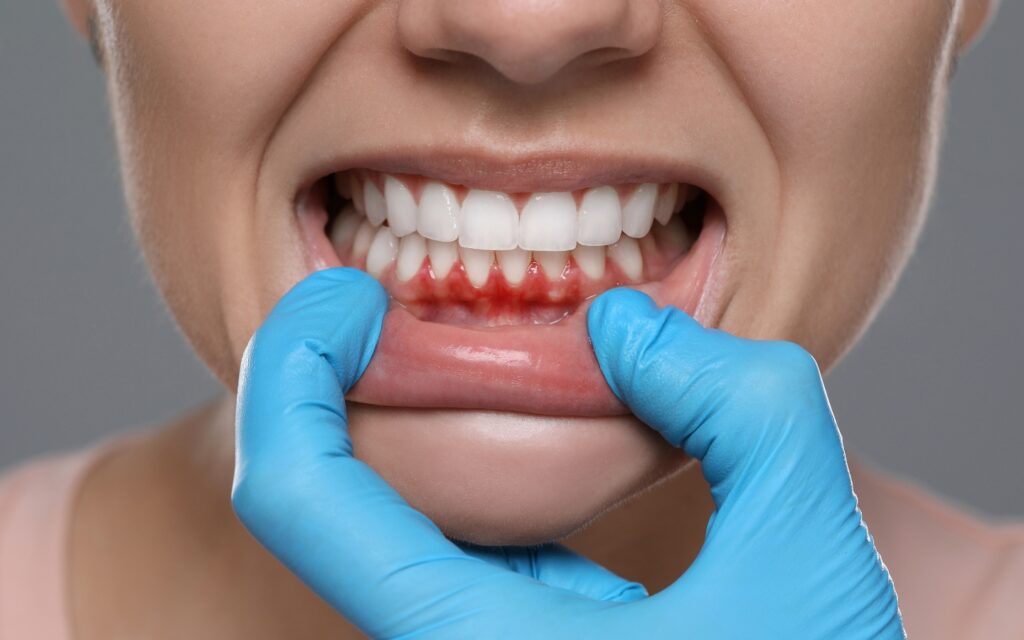
“Healthy gums are the foundation of a beautiful smile.”
You brush twice a day, flash your brightest smile, and assume everything inside your mouth is perfectly fine. But wait! What if your gums have a different story to tell? Slight bleeding while brushing, redness, swelling, or persistent bad breath may seem like small issues, but they can sometimes indicate underlying gum problems. Ignoring these warning signs may allow the condition to progress and affect the supporting tissues around your teeth. Seeking timely gum disease treatment in Alwarpet can help identify gum-related concerns, manage inflammation, and support better oral health. After all, a healthy smile needs healthy gums too!
When Your Toothbrush Tells You Something You Don't
Is there any blood in the sink after brushing? You may want to ignore it and go on with your morning routine. However, gum inflammation, which is usually linked to plaque buildup, is an early indication of bleeding gums. By keeping an eye on these shifts, you can detect potential issues early on and avoid more complex problems.
Here are some common indications to look for:
- Bleeding During Brushing: If gums bleed when brushing or flossing, they could be inflamed.
- Redness Around the Gumline: Healthy gums are firm and pink, and redness could indicate irritation.
- Puffy Gums: As gums swell, they might be a sign of inflammation due to plaque.
- Recurrent Bad Breath: If the odour is ongoing, this could sometimes be due to bacteria around the gums.
Plaque Is Small, But Its Plans Can Be Big!
It might seem innocent, but the buildup of plaque, a film of bacteria, can occur over the gum line and around the teeth. If not removed through proper oral care, it can harm gum tissues and cause gum disease. As time goes on, plaque turns into tartar and is normally hard to remove without expert dental cleaning.
The effects of plaque on your gums:
- Bacterial Accumulation: Plaque can irritate the surrounding gum tissues with bacteria.
- Gum Inflammation: Over time, the accumulation of plaque can lead to redness, swelling, and tenderness.
- Tartar Formation: Plaque that doesn’t go away with daily brushing may harden into deposits that are more difficult to remove.
- More Gum Issues: Gum disease can worsen due to gum build-up.
Gingivitis Is Your Gums' First Warning Bell
Gingivitis is the initial phase of gum disease, which is a condition characterised by inflammation of the gums. It is often caused by a buildup of plaque and can lead to bleeding, redness, and swelling. Fortunately, gingivitis can often be treated through the use of professional dental care practices and proper oral hygiene. Early assessment is crucial to avoid progression of the condition.
Typical symptoms of gingivitis are:
- Sensitive Gum Tissue: Gums can be tender or feel uncomfortable when brushing.
- Bleeding Gums: Bleeding can happen during teeth cleaning or when you brush your teeth.
- Gum Discolouration: The gum line can be redder than normal.
- Mild Swelling: Gum tissues may look puffy around individual teeth or across the gumline.
When Gum Problems Decide to Go Deeper
Uncontrolled gum inflammation can develop into a more serious gum disease called ‘periodontitis’. This affects the tissues and bone that hold the teeth in place. Pockets may form between teeth and gums as it progresses, which will allow bacteria to build up in the pockets. Evaluation by a professional is important to assess the severity of the problem and to determine appropriate treatment.
Possible signs of advanced gum disease include:
- Receding Gums: Gums may recede from teeth, which can make them look longer.
- Deep Gum Pockets: Gum tissues can pull away from the teeth, creating spaces.
- Loose Teeth: Damage to supporting structures can impact the stability of the tooth.
- Changes in Bite: Shifting teeth or changes in how the teeth fit together may occur in advanced cases.
Professional Cleaning Is More Than Just a Dental Refresh
Brushing and flossing are important, but may not be sufficient to remove hardened tartar buildup in hard-to-reach spots. Plaque and tartar accumulations can be reduced by professional dental cleaning, which is important for healthier gum tissues. A dentist may suggest scaling or other periodontal cleaning methods to treat all of the deposits below the gum line, depending on the condition.
Professional gum cleaning can entail:
- Dental Examination: The dentist examines the health of the gums and looks for gingivitis or periodontal pockets.
- Scaling: Tartar and plaque hardened on tooth surfaces and around the gum line are removed.
- Root Planing: In cases where clinically indicated, deeper deposits are removed and the root surfaces cleaned to aid in gum healing.
- Follow-Up Assessment: Gum response is monitored to check if there is still a need for further care.
Your Daily Habits Can Make Your Gums Smile
Oral hygiene is the way to maintain oral health and is not limited to keeping your teeth clean. Your gums should be taken care of regularly as well to keep them healthy. There are simple daily habits that can help to keep plaque buildup under control and minimize the risk of gum inflammation. Regular dental visits and a routine will help ensure your oral health over time.
Here are some daily habits that can contribute to healthier gums:
- Brush Gently Twice a Day: Brush all surfaces of the teeth gently using a soft-bristled toothbrush.
- Clean Between Your Teeth: Do not clean between teeth with just a toothbrush; floss or use appropriate interdental cleaning devices.
- Make a Balanced Diet: Eat healthy foods and reduce sweets, snacks and drinks).
- Don’t use tobacco products: Tobacco use may make gums more prone to disease and make the healing process more difficult.
Not Every Gum Treatment Is the Same
Treatment for gum disease will vary from person to person based on the severity of the inflammation, the amount of plaque and tartar buildup, and the condition of the gum tissues. Some patients might need professional cleaning, while others experiencing more complicated gum issues may require more specialized cleaning. An examination by a dentist will be a much better way to find out the best way to approach the situation as opposed to taking an approach that is universally applicable.
Possible treatments include:
- Professional Scaling: Cleans off any plaque and tartar found on the visible surfaces of the teeth and at the gum line.
- Scaling and Root Planing: Provides additional cleaning to patients with periodontal pockets and deposits below the gum line.
- Periodontal Maintenance: After periodontal treatment, regular maintenance is performed by the professional cleaning and monitoring.
- Advanced periodontal procedures: If necessary, some patients in selected cases may need further treatment to repair compromised gums and supporting structures.
Also Read This: Is Your Child Afraid of the Dentist? Ways to Make Dental Visits Easier
Keep Your Gums Happy Before They Start Complaining
Procrastination is not a good way to ensure your smile.You don’t want to wait until your gums are painful or uncomfortable to protect your smile. By visiting the dentist regularly, early changes can be detected, the health of your gums can be monitored, and potential problems can be resolved before they worsen. However, even after treatment, it is essential to have a strong oral hygiene routine and keep up with follow-up appointments to take care of your gums and promote long-term oral health.
Simple ways to stay ahead of gum problems:
- Schedule Regular Dental Visits: Routine examinations help identify gum-related concerns at an early stage.
- Follow your dentist’s advice: Take advantage of suggested care and stick to your dentist’s recommendations for home care.
- Monitor Changes: Pay attention to bleeding, swelling, persistent bad breath, or gum recession.
Give Your Gums the Attention They Deserve
Your smile deserves attention beyond just clean and shiny teeth. Healthy gums play an important role in supporting your teeth, maintaining oral comfort, and protecting your overall oral health. From early signs such as bleeding and swelling to more advanced periodontal concerns, timely dental assessment can make a difference in managing gum problems. Choosing professional gum disease treatment in Alwarpet helps you understand your gum condition and explore suitable treatment options based on your dental needs. So, don’t wait for your gums to raise another red flag. Give them the care they deserve and keep your smile healthy!
Frequently Asked Questions
- What are the early signs of gum disease?
Common early signs include bleeding while brushing, red or swollen gums, tenderness, persistent bad breath, and gum irritation.
- What causes gum disease?
Gum disease commonly develops due to plaque buildup around the teeth and gumline. Poor oral hygiene, tobacco use, and certain health conditions may also increase the risk.
- Can gum disease be treated?
Yes. Depending on its severity, gum disease can be managed with professional cleaning, scaling and root planing, periodontal maintenance, or other specialised dental procedures.
- Is professional dental cleaning necessary for healthy gums?
Professional cleaning helps remove plaque and hardened tartar that regular brushing and flossing may not completely remove.
- How can I prevent gum disease?
Brush twice daily, clean between your teeth, avoid tobacco products, maintain a balanced diet, and schedule regular dental check-ups.