
What to Know About Maintaining Implant-Supported Full Arch Teeth
“Your new smile deserves the same attention after treatment as it did during the journey towards it.”
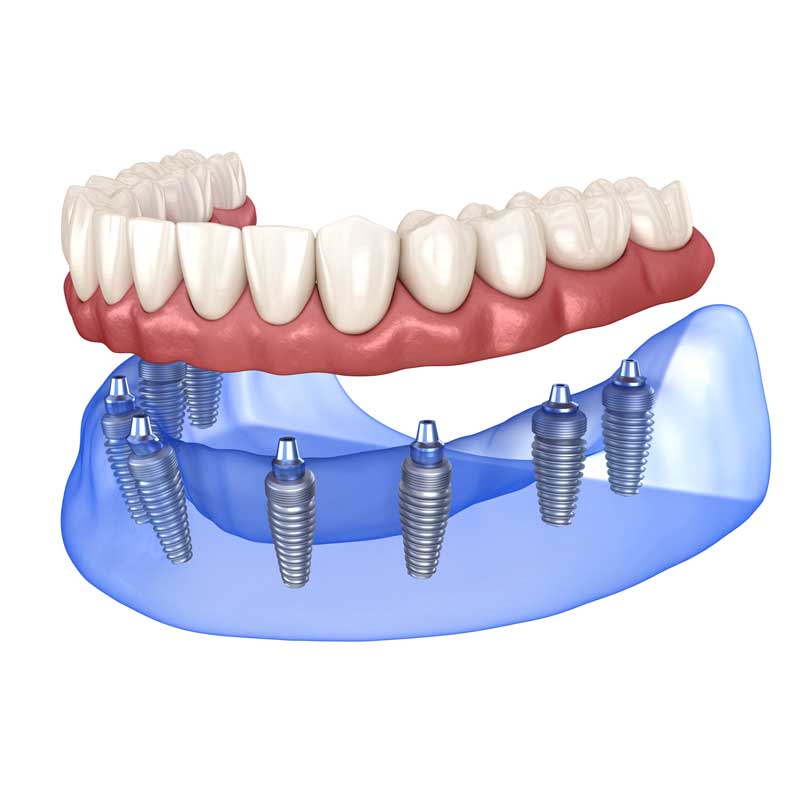
Getting a complete smile restored is an important step, but keeping it comfortable and functional requires consistent care long after the treatment is completed. Implant-supported full arch teeth are designed to replace multiple missing teeth using dental implants that support a fixed restoration. Although these restorations do not develop cavities like natural teeth, the surrounding gums, supporting bone, and implant components still need regular attention. Food deposits, plaque accumulation, and inadequate cleaning can affect the health of the tissues around implants. Understanding proper maintenance practices can help patients protect their restorations and maintain good oral hygiene. For individuals considering Full Arch Dental Implants in Teynampet, knowing what happens after treatment is just as important as understanding the procedure itself.
Understanding the Care Needs of Implant-Supported Teeth
This is because full arch teeth supported with implants need a different kind of care for every day of your life than natural teeth or removable dentures. While the artificial teeth are unable to form cavities, plaque can build up around the implant-supported tooth and cause surrounding gum problems. Knowing these differences is important for patients to follow proper cleaning regimen, as well as to understand why maintaining proper oral hygiene is important after treatment. Good maintenance also ensures the longevity of the restoration and underlying structures.
- Awareness of implants: Know how the implants hold the replacement teeth and why they should be cared for by the surrounding tissues.
- Plaque control: Maintain clean surfaces around the restoration to minimize bacterial plaque.
- Gum health: Keep an eye on any changes in the tissue around the implants.
- Timely regular cleaning: Clean on a regular basis rather than when feeling discomfort.
Cleaning Around the Implant-Supported Restoration
It is important to carefully clean around the teeth supported by implants, as food particles and plaque may be able to gather around the gum line and under visible portions of the restoration. Regular brushing might not provide enough coverage, especially behind the last tooth. Proper cleaning methods can help eliminate excess material and promote healthier tissues around the implants.
- Gumline cleaning: Gently brush around places the restoration meets the gum tissue.
- Cleaning the underside: Cleaning those areas of the fixed restoration that can be reached by instruments recommended by the dentist.
- Extra care for the back teeth: Extra care is to be given to the back teeth where food particles can get trapped.
- Gentle technique: Do not brush or use tools that will cause damage to the restoration or nearby tissues.
Protecting the Gums and Surrounding Tissues
The state of the gum tissue is a vital part in the maintenance of an implant-supported dental restoration. While the implants are a replacement for the missing tooth roots, the tissues around the implants may still get inflamed if you let plaque and bacteria build up. If there is any redness, swelling, bleeding or ongoing pain, it should not be ignored. Oral hygiene routines and routine examinations will help to uncover any problems as they arise to make them less serious.
- Gum observation: Look for any redness, swelling or changes around the implant supported restoration.
- Bleeding awareness: Inform dental professionals about frequent gum bleeding instead of it being a normal occurrence.
- Inflammation control: Keep implants clean with suitable hygiene to prevent the build-up of plaque.
- Professional assessment: Consult a dentist if there are any unusual symptoms or persistent discomfort.
Choosing Suitable Tools for Daily Oral Hygiene
Tools that can access various surfaces without compromising the implant-supported teeth or the tissues will be helpful in cleaning implant-supported teeth. Depending on the type of restoration and the needs of the individual, the appropriate toothbrush, interdental cleaning aids, and other hygiene products may vary. If you’re not sure how to clean it properly, request your dentist to show you how.
- Soft bristle toothbrush: Soft bristle toothbrush which is soft enough to clean the restoration and the gum line gently.
- Interdental brushes: Consider dentist-recommended sizes for cleaning accessible spaces around the implants.
- Oral irrigator: If you can get at them, a proper oral irrigator may be able to dislodge food particles.
- Recommended products: Toothpaste and cleaning materials to be used should be recommended by your dentist and the type of restoration material.
Managing Food Traps and Plaque Accumulation
“Implant maintenance is not a one-time task; it is a habit worth keeping.”
The particles of food can get stuck around implant supported restorations, especially in spaces under the replacement teeth. When not properly cleaned, debris can build up in these areas and lead to bad breath and gum irritation. Patients can focus on certain areas when performing their at-home oral hygiene routine, by knowing where food tends to accumulate.
- Food removal: Use proper tools recommended by the dentist to remove food from areas that are accessible.
- Plaque management: Brush regularly to avoid bacterial deposits building up around the restoration.
- Meal awareness: Determine if certain food types tend to get stuck around the replacement teeth.
- Regular check-up: Have your dentist examine hard-to-reach areas you can’t clean yourself.
Attending Regular Dental Reviews and Professional Cleaning
Home cleaning is important but is no substitute for professional dental checkups. The dentist can evaluate the implant-supported restoration and the gums and supporting structures at regular appointments. Professional cleaning can also get rid of deposits in areas that are hard to clean at home. These visits may be more or fewer often depending on the patient’s oral health, restoration design, and individual risk factors.
- Re-evaluation of the implant: Let the dentist examine the implant to determine its condition and stability.
- Gum evaluation: Check the surrounding tissues for signs of inflammation or other concerns.
- Professional cleaning: Obtain appropriate cleaning which removes deposits that have accumulated around the implant surfaces that are accessible.
- Follow up plan: Keep an appointment schedule as recommended by your dentist.
Recognising Early Signs of Implant-Related Problems
Monitoring should be performed for changes in comfort, esthetic, and functional characteristics of implant supported restorations. The symptoms can develop slowly, and if the patient is aware of the unusual symptoms, they can seek professional help at the right time. Any persistent pain, swelling, bleeding or change in the way the restoration feels during chewing should not be ignored.
- Ongoing discomfort: If the pain or tenderness around the implant-supported restoration doesn’t subside.
- Swelling of gums: If gums surrounding the implants swell or are continually irritated, get an evaluation.
- Unusual movement: Contact your dentist if the restoration feels loose or moves unexpectedly.
- Biting changes: Talk about any new discomfort when chewing or changes in the way the teeth bite together.
Also read This: When Should Your Child First Visit a Dentist? A Parent’s Guide
Building Long-Term Habits to Protect Your Restoration
Maintaining implant supported full arch teeth is a lifetime commitment that extends beyond the treatment. Long term maintenance includes daily cleaning, regular dental checks and the monitoring of oral health changes. Some lifestyle habits also can affect the condition of the surrounding tissues and restoration. Personalised dental advice ensures that patients can create a routine that meets their needs and promotes ongoing oral hygiene.
- Daily cleaning: brush and clean between your teeth every day as directed by your professional.
- Lifestyle awareness: Discuss lifestyle practices that could impact the health of the implants, such as teeth grinding, and avoid smoking.
- Food choices: Use the appropriate diet information and do not place objects in the mouth that are too hard to chew.
- Regular monitoring: See the dentist as recommended to check the condition of the restoration and surrounding tissues over time.
Keeping Your Full Arch Restoration in Good Condition
Receiving implant-supported teeth is an important step towards restoring everyday oral function, but the care that follows plays an equally important role in maintaining the result. Unlike natural teeth, dental implants cannot develop cavities, yet the surrounding gums and supporting bone still require consistent attention. Small habits such as cleaning beneath the restoration, choosing suitable oral hygiene tools, and attending regular dental reviews can make a meaningful difference to long-term maintenance. Before choosing Full Arch Dental Implants in Teynampet, it is worth understanding the care involved after treatment. With appropriate cleaning methods, professional monitoring, and personalised dental guidance, patients can protect their restorations and maintain better oral health over time.
Frequently Asked Questions
- Do implant-supported full arch teeth need daily cleaning?
Yes. They require regular brushing and cleaning around the implant-supported restoration to remove plaque and food particles and maintain healthy surrounding gum tissues.
- Can implant-supported teeth develop cavities?
The artificial replacement teeth cannot develop natural tooth decay. However, plaque accumulation can cause inflammation and infection in the tissues surrounding dental implants.
- What is the best way to clean beneath full arch dental implants?
A dentist may recommend interdental brushes, water flossers, or other specialised cleaning aids depending on the restoration design and accessible spaces.
- How often should I visit my dentist after full arch implant treatment?
Follow-up frequency depends on your oral health, implant condition, and individual maintenance needs. Your dentist will recommend a suitable review schedule.
- How do I know if my full arch dental implant needs professional attention?
Persistent discomfort, gum swelling, bleeding, unusual movement, or changes while chewing should be reported to your dentist for evaluation.