
Important Do’s and Don’ts Before Getting Full Mouth Dental Implants
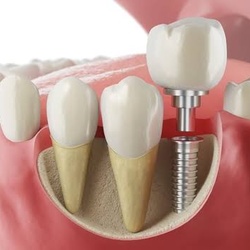
“Replacing missing teeth can be a meaningful step towards renewed confidence.”
Missing teeth can affect more than just your smile. They may also make everyday activities such as chewing, speaking, and eating uncomfortable. Full Mouth Dental Implants in Teynampet provide a tooth replacement option for individuals looking to restore their smile and improve oral function. However, achieving a suitable treatment outcome requires proper preparation and an understanding of the procedure. From evaluating jawbone health to maintaining good oral hygiene, several factors deserve attention before implant placement. Knowing the important do’s and don’ts can help you prepare for the treatment and make informed decisions about your dental health.
Begin with a Complete Dental Evaluation
The first step is a detailed dental examination to see if full mouth dental implants are right for you and your oral health condition. The dentist checks for existing problems with your gums, remaining teeth, bite alignment, and jaw structure. This assessment also provides an indication of whether more dental care is needed prior to implant placement. If you are aware of your dental status, the dentist will be able to draw up a treatment plan which takes into account your particular needs.
Do: Provide information about your dental history, past treatment, any dental concerns, and expectations at the consultation. Inquire about appropriate treatment and resolve any anxiety about treatment.
Don’t: Proceed with implant treatment without undergoing a professional dental examination or understanding your oral health condition.
Give Attention to Your Jawbone Health
The dental implant requires support from the jawbone. It affects the density, thickness, and overall structure of the implant, which affects implant placement and stability. Digital X-rays or 3D scans may be recommended by the dentist to check the available bone structure and determine what needs to be addressed. Patients might require other treatments like bone grafting prior to implant placement to ensure sufficient support for the implants.
Do: Ask your dentist about your jawbone condition and make sure to have the necessary diagnostic tests. Be aware of whether extra protocols are required prior to therapy.
Don’t: Assume that your jawbone is suitable for implants without proper evaluation or compare your bone condition with another patient’s treatment requirements.
Discuss Your Complete Medical History
Overall health status may affect dental implant planning, healing, and recovery. Some medications, allergies, lifestyle habits, and medical conditions may necessitate special measures prior to surgery. Obviously, uncontrolled diabetes and some medications can have an impact on the healing process. When the dentists have accurate information, they can be aware of possible issues and develop a treatment plan customized to your specific needs.
Do: Tell your dentist about any health problems, medications you take, allergies, past surgeries, and medical issues. Discuss health-related questions before scheduling the procedure.
Don’t: Refuse to display medical details or discontinue medications without talking to your dentist or medical provider.
Maintain Healthy Gums Before Implant Placement
Treatment for dental implants is best conducted in an environment that is conducive to healthy gums. Any pre-existing gum infections, cavities, plaque, and other dental issues may require treatment before the procedure. The gums will stay healthy and ready for treatment after following a certain cleaning process. Your dentist may order a prophy, or deep cleaning, before the placement of implants to get rid of any plaque and tartar buildup.
Do: Brush twice a day with an appropriate toothbrush, floss between teeth, and see your dentist for suggested cleanings.
Don’t: Ignore bleeding gums, persistent bad breath, gum swelling, or signs of infection. Talk with your dentist about these concerns prior to your implant treatment.
Make Necessary Lifestyle Changes
So, everyday habits can affect oral health and healing after implant placement. Smoking and use of tobacco products can have an adverse impact on blood flow, wound healing, and reduce the risk of implant complications. These habits can also have a negative impact on the surrounding gum tissue as well as long-term implant maintenance. Preparing for treatment with appropriate lifestyle changes can aid in healthier gums and recovery.
Do: Talk to your dentist about quitting smoking, going tobacco-free, and other important lifestyle modifications. Follow the advice of professionals to prepare your mouth for treatment.
Do not: Ignore the potential impact of smoking and tobacco on healing, or smoke or use tobacco without talking to your dentist.
Understand the Complete Treatment Plan
Typically, full mouth dental implant treatment consists of a few steps: evaluations, treatment planning, implant placement, healing, and the final placement of replacement teeth. Overall, the time would vary based on the oral health of the patient, the condition of his jawbones, and whether other procedures are needed. A few patients may require additional preparation and healing time prior to the final teeth. You can plan your treatment schedule and budget when you understand everything about the treatment.
Do: Request a detailed treatment plan covering procedures, estimated costs, appointment schedules, healing periods, and possible additional expenses. If temporary replacement teeth are part of your treatment plan, ask questions about them.
Don’t: Choose a clinic based only on the lowest quotation or expect every stage of treatment to be completed in a single appointment.
Prepare Your Diet and Recovery Schedule
Planning your day prior to implant treatment can help make the recovery process less stressful. Your dentist might have certain guidelines for you to follow when it comes to food and drinks, as well as medications, depending on the procedure and your health. Making good food and rest plans can support your recovery recommendations. Arrangements for getting to and from the hospital should also be made if it is anticipated that assistance will be required following the procedure.
Do: Talk to your dental staff about your diet, what medications you might need, and how long you can expect to recover. Schedule accordingly for the required rest and observe the pre-surgical directions given.
Don’t: Ignore pre-surgical instructions or consume restricted foods and drinks when your dentist has advised you to avoid them.
Also Read This: What to Know About Maintaining Implant-Supported Full Arch Teeth
Learn About Implant Maintenance and Follow-Up Care
Even after the last replacement teeth are in place, dental implant care is still a must. When the area is cleaned correctly, it helps keep the gum tissues around the implants healthy, and it can also help minimize buildup of plaque around the implants. Regular check-ups also enable the dentist to check the stability of the implant, alignment of the bite, and the general condition of the mouth. Knowing what to expect during long-term maintenance prior to treatment will allow you to create a consistent routine that will keep you from damaging replacement teeth.
Do: Ask about suitable cleaning tools, brushing techniques, professional maintenance, and recommended follow-up appointments. Follow the dentist’s instructions for cleaning around the implant-supported replacement teeth.
Don’t: Skip scheduled dental reviews or ignore unusual pain, swelling, bleeding, or changes around the implant area. If you have concerns, consult a professional.
Get Ready For Your New And Improved Smile
Having a set of full mouth dental implants requires good preparation on the part of the patient and proper guidance from a dental expert. Having your jawbone examined, having healthy gums, discussing your past medical history, and knowing about the various stages involved in the treatment can aid you in making better decisions. Adhering to the advised tips is also helpful in preparing yourself for the process.
All patients have their own needs when it comes to dentistry, hence, the treatment must be based on one’s own oral condition. If you need Full Mouth Dental Implants in Teynampet, contact a dental expert to discuss your queries regarding the treatment.
FAQS
- What are full mouth dental implants?
Full mouth dental implants are a tooth replacement solution designed to restore an entire upper or lower arch using dental implants to support replacement teeth.
- Who can consider full mouth dental implants?
Individuals with multiple missing or severely damaged teeth may consider this treatment after a professional dental evaluation.
- Are dental implants painful?
The procedure is generally performed under local anaesthesia. Some discomfort, swelling, or soreness may occur during the recovery period.
- How long does full mouth dental implant treatment take?
The treatment timeline varies depending on jawbone health, healing, and individual dental requirements. Additional procedures may extend the overall duration.
- How should I maintain full mouth dental implants?
Brush regularly, clean around the implants using recommended tools, and attend routine dental check-ups to maintain oral health.