
Who Needs Full Arch Dental Implants? Signs, Benefits, and Treatment Options
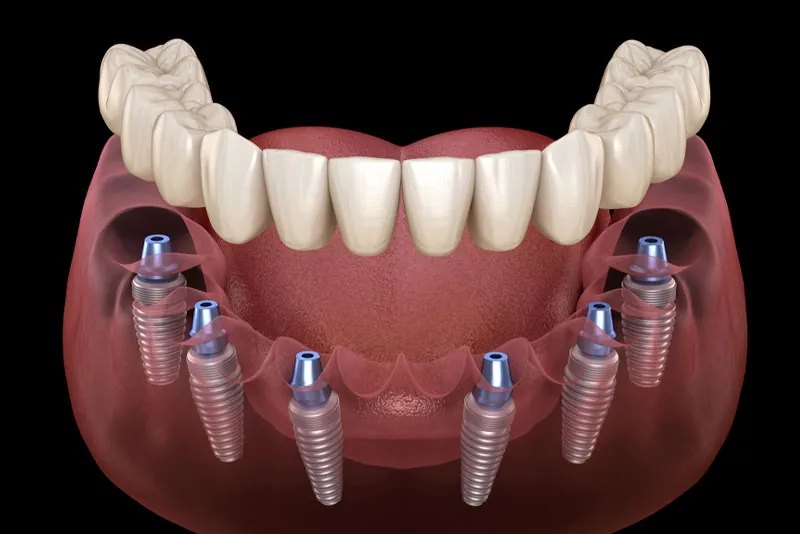
When you lose multiple teeth, it doesn’t just impact the way you look, it could also have consequences. This can make eating more challenging, alter your speech and could make you lack confidence to smile or speak. When it comes time to restore missing teeth, it may not always be possible or practical to replace one tooth at a time particularly in the upper jawline. When considering dentures for the entire archofaix; consider Full Arch Dental Implants in Alwarpet, which can support the entire row of teeth. This treatment is not for everybody however. Whether a procedure will be beneficial to the patient or not can be dependent on various factors including health of the jawbone, gum condition, overall health of the patient and personal expectations. When determining if you need full arch dental implants, it’s helpful to know who needs it, what’s involved, and what options are available to you, and what you can do with your dentist to make a decision.
“A complete smile can make everyday moments more comfortable.”
1. What Are Full Arch Dental Implants?
Full arch dental implants are a tooth replacement solution designed to restore an entire upper or lower arch of missing teeth. Instead of placing a separate implant for every missing tooth, a dentist or implant specialist strategically positions a small number of implants in the jawbone to support a complete set of replacement teeth. The implants act as artificial tooth roots. After placement, they integrate with the surrounding bone through a natural healing process called osseointegration. Once the treatment reaches the appropriate stage, a custom-made prosthetic arch is attached to the implants.
Depending on the patient’s needs, the treatment may involve four or more implants to support the replacement teeth. The exact number depends on bone quality, jaw anatomy, bite forces, and the design of the final restoration. Full arch implant treatment may be recommended for people who have lost most of their teeth or need extensive dental rehabilitation. It can restore the appearance of a complete smile while providing support for everyday activities such as eating and speaking. Treatment planning is personalised to ensure that the implants and replacement teeth suit the patient’s oral health and functional requirements.
2. Who Needs Full-Arch Dental Implants?
Full arch dental implants may be advantageous for individuals who have lost many of their teeth for when other methods of tooth replacement are insufficiently comfortable, stable or functional. This may be suitable, but a dental exam will need to show that.
Lost most or all teeth: Extensive tooth loss in one or both jaws may make a full arch restoration a suitable option.
Loose or uncomfortable dentures: Dentures that frequently move while eating or speaking can affect everyday comfort.
Teeth severely damaged: When several remaining teeth are not predictable to be restored; removal and planning a full arch restoration may be indicated.
Chewing problems: Loss of teeth may make the chewing of food more difficult.
Multiple failing dental restorations: Extensive decay, advanced gum disease, or repeated dental complications may require a comprehensive treatment plan.
Appearance concerns: The Lower face may be compromised due to a considerable amount of tooth loss and corresponding changes in the support of the jaws.
3. Signs You May Need Full-Arch Implant Treatment
Learning some of the symptoms of widespread dental issues can enable you to look for expert counsel before they affect your entire life. These symptoms should be examined by a dentist. Full arch implants may not be necessary in some of these cases, and treatment for these patients may be better suited for fillings, crowns, bridges, periodontal procedures or even conventional dentures. The right treatment needs to be used and depends on the severity of the damage and whether or not the remaining teeth will be difficult to look after in the future.
Some warning signs are:
Multiple missing teeth: If you’ve had several teeth removed due to tooth decay, injury or the progression of gum disease, you may require an overall approach to replacing all the missing teeth.
Persistent denture discomfort: An ill-fitting denture can have uncomfortable soreness, and wobbling or unstable dentures make eating and talking difficult.
Trouble chewing other foods: If you are struggling with chewing certain foods, it might be a problem with your current tooth replacement that you need to see if it can be rectified.
Altered speech: Poorly fitted dentures or missing teeth can cause some words to be difficult to pronounce.
Weaker self-confidence in smiling: Dentures that are insecure or missing teeth can cause some to feel less confident smiling in public.
Bone loss: With widespread tooth loss, there may be a change in facial presentation, especially if there has been a loss of bone.
4. Key Benefits of Full-Arch Dental Implants
For appropriate patients, full arch implants may have a number of benefits, especially for individuals with significant tooth loss or that do not have secure dentures. They can only work well when planned, the supporting tissues are healthy, and they are well-maintained.
Stability is increased: Teeth which are supported with an implant are fixed to the jawbone, not only in the gums. This can limit the manner in which removable dentures move, thus lessening the movement usually associated with removable dentures.
Improved chewing ability: When an arch is well supported, it is easier for the patient to bite and chew. The foods that are allowed during treatment and recovery, however, can vary depending on the healing process and instructions from the dentist.
Natural-looking appearance: Replacement teeth are designed to complement the patient’s facial features, tooth proportions, and smile. Final appearance will depend on type of restoration gently and each treatment.
Helps preserve bone around dental implant locations: Forces generated during function are transferred to the bone that supports the implant, which can help preserve the bone around the implant site. They do not block the ultimate loss of all bone in the jaw.
Ease of everyday use: Many full arch restorations stay in place securely and won’t have to be removed for routine cleaning. Patients should continue to practice good oral hygiene and have regular dental reviews.
One can plan for long-term function: When planned properly, good oral hygiene maintenance and professional maintenance are possible to provide long-term function with implant-supported restorations. But implants and their replacement teeth are not trouble-free, and sometimes the replacement or repair may be needed at some stage.
Also Read This: Is Aesthetic Dentistry Right for You? Benefits and Treatment Options
5. What Treatment Options Are Available?
Full arch dental implants are not a single treatment design. Dentists may recommend different approaches depending on how many teeth remain, the condition of the jawbone, and the patient’s preferences.
Common treatment options
All-on-4 dental implants: This approach uses four strategically positioned implants to support a full arch of replacement teeth in selected cases. Implant placement and restoration design depend on the available bone and the distribution of chewing forces.
All-on-6 dental implants: Six implants are used to support a complete arch when the clinical assessment indicates that this configuration is appropriate. Additional implants may provide support for the restoration, depending on the case.
Implant-supported removable dentures: These dentures attach to implants for improved retention but can be removed for cleaning. They may suit patients who prefer a removable restoration or have particular functional requirements.
Conventional full dentures: Traditional dentures remain an option for people who cannot undergo implant surgery, prefer a non-surgical approach, or need a more accessible treatment alternative.
Individual implants or dental bridges: If only a limited number of teeth are missing and the remaining teeth are healthy, individual implants or bridges may provide a more appropriate solution than replacing the entire arch.
6. Are You a Suitable Candidate for Full-Arch Dental Implants?
While they can serve as a solution to deal with extensive tooth loss for many people, some are not well prepared for treatment. The dentist will need to be sure the mouth can accommodate the proposed restoration as well as the patient’s ability to keep the restoration for years of use. Age is not a real determinant of suitability. The underlying health of the patient, state of the bone, oral health and the patient’s ability to follow through are a greater consideration. Complete assessment is done to assess the risk and set realistic goals prior to surgery.
There are a number of factors that impact eligibility:
Jawbone volume and density: There needs to be enough bone for implants to secure. A bone graft may be needed in some patients or other implant plans may be necessary.
Healthy gums: If a person has active gum disease, this needs to be treated and controlled prior to implant placement.
General health: Certain medical conditions and medications can affect healing or surgical planning. Open discussions should be held with the treating Dentist about these.
Smoking: Smokers find it more difficult to heal and re-graft their implants.
Oral hygiene: Patient must be willing to take the time to clean around the implants and the restoration carefully.
Regional follow up care: Consistent care by professionals will ensure implants, gums, bite and prostheses are monitored.
7. What to Expect During Full-Arch Implant Treatment
There are typically multiple steps to full arch implants treatment. Depending on the patient’s oral condition, preparatory procedures required and the possibility of fitting a temporary restoration the process will differ.
Assessment and consultation: The dentist examines the mouth, checks the medical and dental records and takes x-rays or a CBCT scan if they deem this necessary.
Treatment planning: Treatment sequence, restoration design, placement of the implants is determined. Any additional extractions, gum work, or bone grafting is scheduled for at the same time.
The placement of the Implants: Implants will be placed in the jawbone through surgery. In certain situations, the removal of the tooth can be done in one day, which is called immediate loading of temporary teeth; however, not every patient can benefit from this approach.
Healing and integration: The implants need time to integrate with the bone. The dentist might suggest a soft diet and special oral hygiene suggestions during this time.
Final restoration: After healing and implant stability, the final and comfortable prosthetic teeth are positioned, and fine-tuned for ideal functioning and aesthetic look.
8. Maintaining Your Full-Arch Dental Implants for Long-Term Results
The placement of teeth with implants is just one section of the building of a brilliant smile. Regulating care is essential to safeguard adjacent gums, supporting bone, and also the prosthetic fixing.
To retain your outcomes:
- Brush twice daily using a suitable toothbrush and dentist-recommended toothpaste.
- Clean underneath and around the restoration with appropriate interdental brushes, flossing aids, or a water flosser as advised.
- Attend regular dental appointments for professional cleaning and implant assessment.
- Avoid using your teeth to open packages or bite hard objects.
- Carefully adhere to dietary recommendations following any restorative adjustment and during healing.
- Visit your dentist if you experience bleeding gums, continued pain, looseness of gums, swelling of gums, or a change in your bite.
“The right tooth replacement can help you smile without hesitation.”
Full arch dental implants in Alwarpet can be a valuable solution for people who have lost most or all of their teeth, experience persistent denture problems, or require extensive dental rehabilitation. Carefully planned, they can provide potential benefits like stability, chewing function, and a natural-looking smile. However, there are some patients who do not qualify to undergo the full arch dental implant treatment. This may relate to bone health, the condition of the gums, medical conditions, lifestyle and maintenance issues. The safest way to know what you can do and know what works for you is to consult a highly trained dentist that has been there and done that before. With the right treatment and proper maintenance, people can strive for the capabilities, comfort and confidence they had in their mouths before the surgery.